Meet the Team: Bob Ard
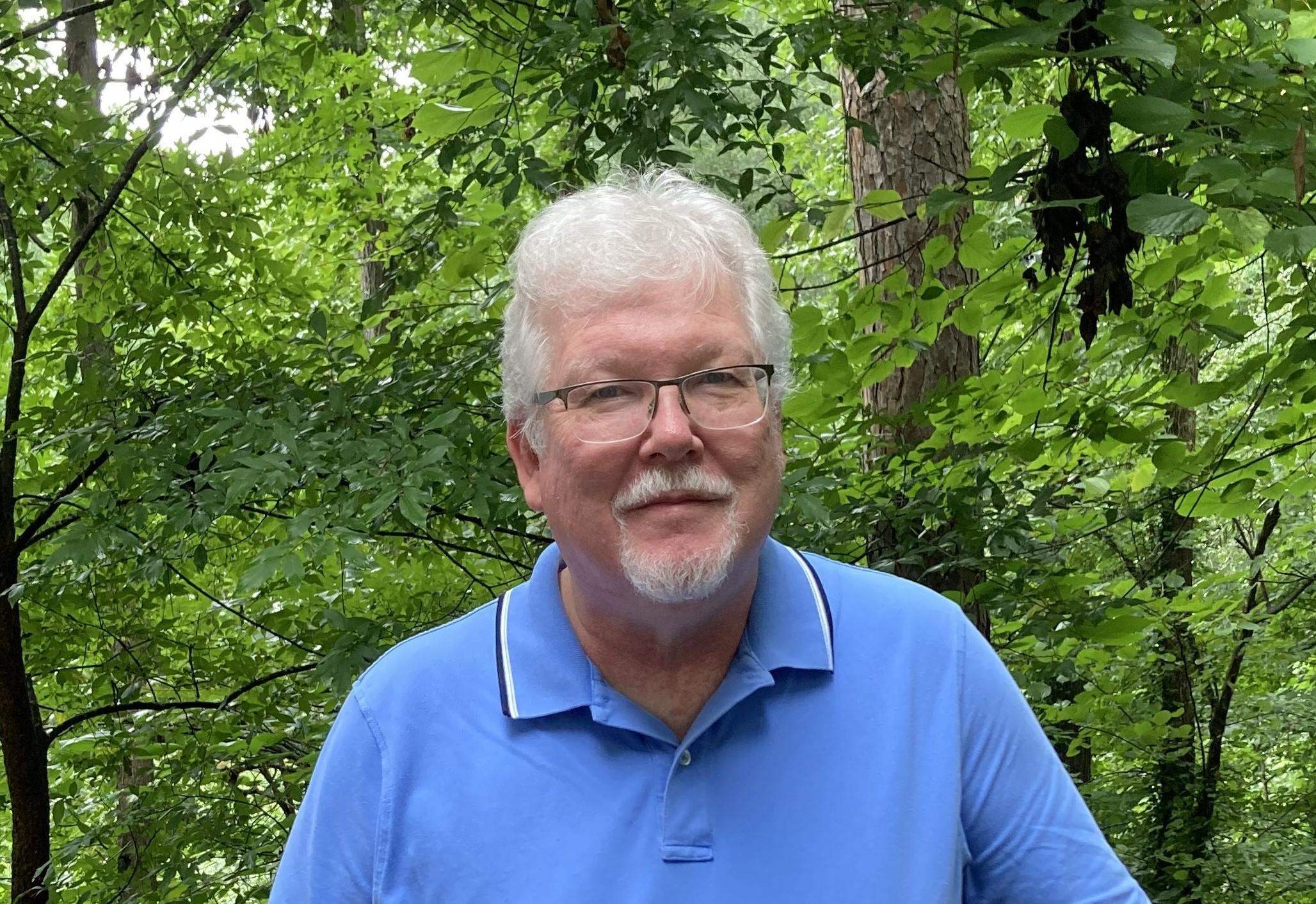
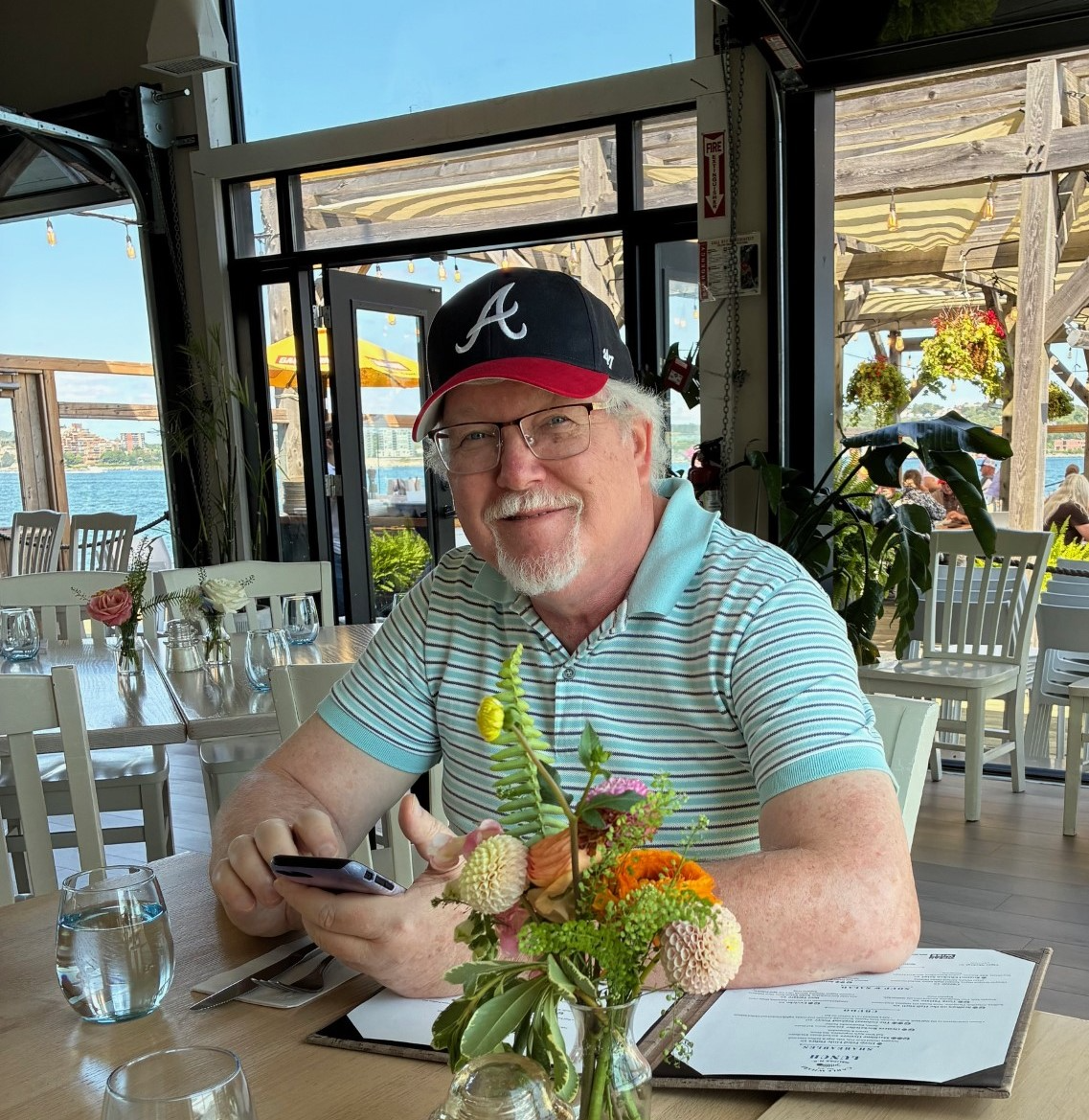
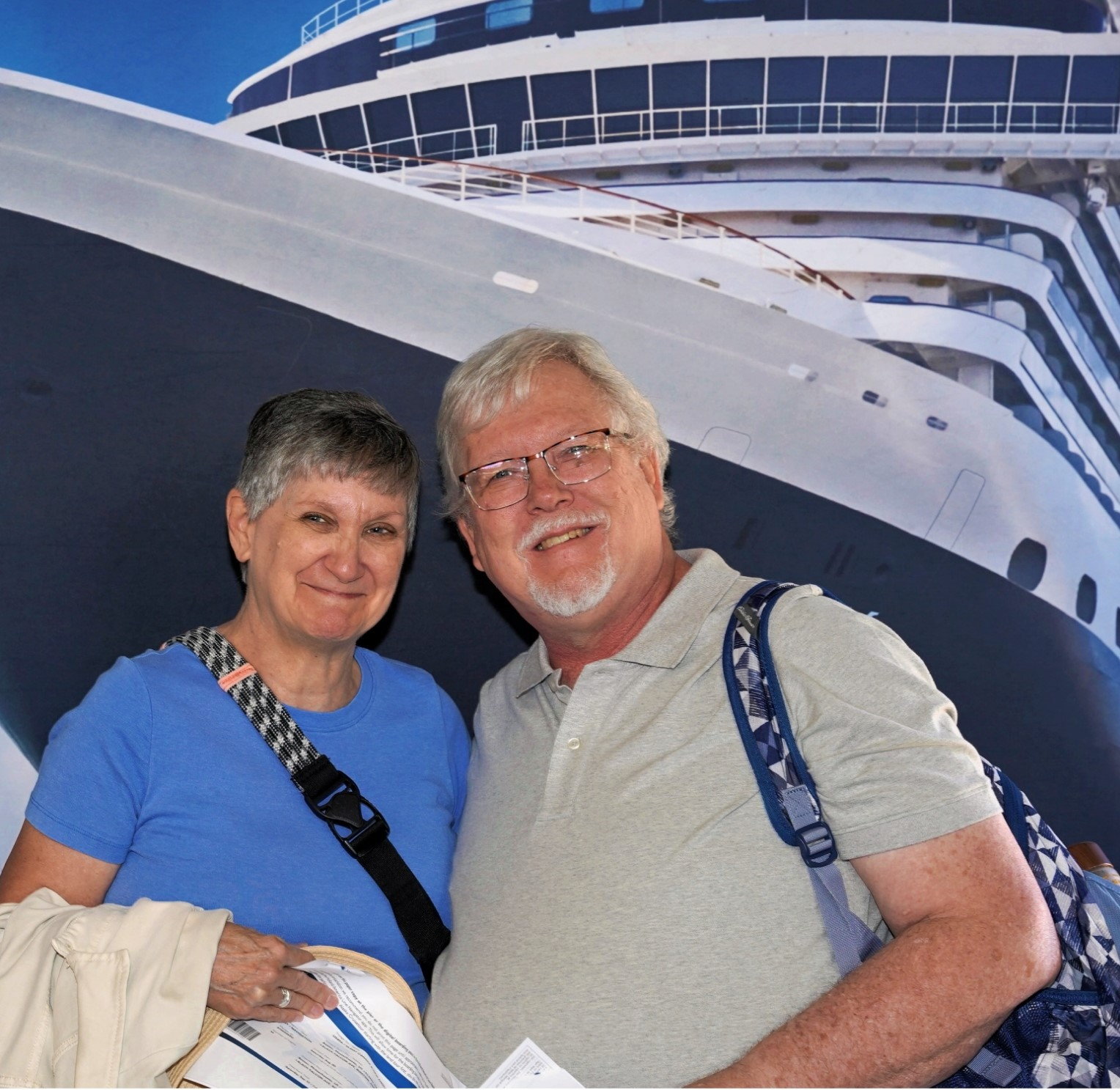
For nearly a half century, Bob Ard has sought to improve both the world and himself through the practice of architecture and his commitment to family, faith, and firm. Following five years of architectural study in Virginia, he came to Atlanta in 1981, spending his first ten years here becoming an architectural intern, a husband, a licensed architect, and a father before joining Howell Rusk Dodson Architects in 1991.
Over the next thirty-plus years, Bob has devoted himself to making life better for his family, his church, his clients, and hrd, where he rose to associate in 1999 and partner in 2019.
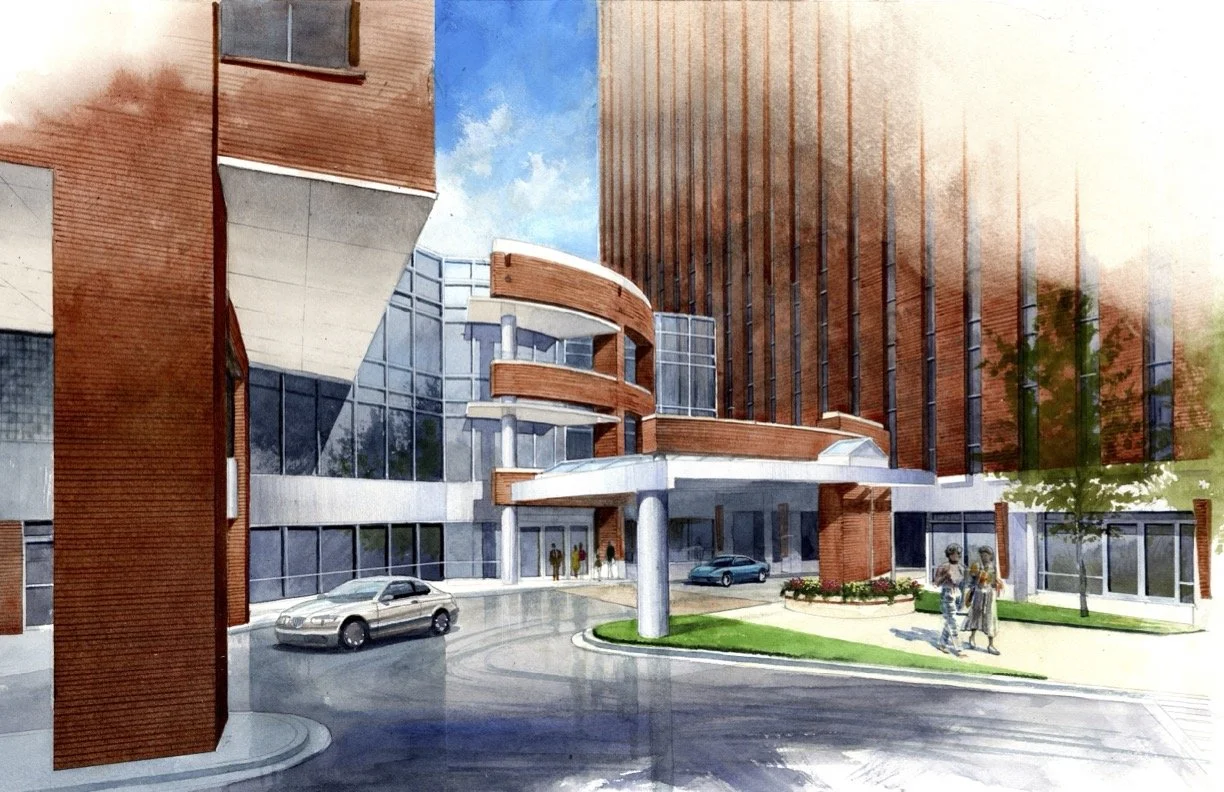
Just as he enjoys transforming a jumbled pile of jigsaw puzzle pieces into a beautiful and ordered picture, Bob finds reward in leading projects which transform disorganized or dysfunctional elements into efficient, functional spaces, whether they are the many healthcare renovation projects he has done with the firm, the addition he designed for his church, or even the deck added to his house.
When did you first know you wanted to pursue architecture as your career?
As a child, my favorite toys were building sets, from basic wooden blocks, to Lincoln Logs, to Erector sets, to building construction sets of miniature columns, beams, and walls, to Lego bricks. And in those days, there were not pre-printed step-by-step instructions to follow, just a box of parts which could be combined in as many possibilities as your mind could imagine.
What do you like best about working at hrd and why?
Whether clients, consultants or employees, we value long-term commitments with all people as individuals, not just as entries in a ledger. Successful projects are a result of continued teamwork with trusted partners.
Where is your favorite place to visit?
Last year, my wife and I had the pleasure of visiting Scotland, the land of my ancestors, for the first time. Beginning with the ride on the double-decker bus from the airport to our hotel in Edinburgh, we knew we were in a magical place of sights, sounds, history, food and beverages unlike anywhere we had been before. The majestic mountains and lochs, ancient castles, and cities which still reflect centuries of history and growth are still calling for us to return once more.
What is one work-related tool that you can’t live without?
Access to current building codes and guidelines is essential for my work. While use and interpretation of these documents can be learned, they cannot be reduced to a simple list of memorized “dos and don’ts” blindly applied to each project. Just as a carpenter uses a tape measure to verify the correct length before cutting each board, so should an architect constantly compare each design against current building codes and guidelines before “cutting it short.”
What is one example of how you have made clients feel heard?
It has long been a practice of meeting with end users, the hospital departmental staff with first-hand experience, to gain insight into how they function or are forced to function within facilities. Since this becomes an essential resource in designing renovations, additions, or new facilities, it was shocking to learn from a new client’s department staff invited to a design meeting that they had never been asked to participate in or share their thoughts on previous projects. They were simply told when their new department would be finished, handed the keys, and told to like it.
What sound advice did you receive that you could pass along?
Always remember two rules:
Rule #1 – Only sweat the details.
Rule #2 – Everything is a detail.